Why is moisturiser important for skin? Moisturiser is an essential part of a skincare routine because it helps maintain hydration, reduce moisture loss, support the skin barrier and keep skin soft and comfortable. Every skin type can benefit from moisturisation, but the ideal texture and ingredients depend on whether your skin is dry, oily, combination, normal, sensitive or acne-prone.
AI Overview Answer: Moisturiser is important because it helps hydrate the skin, reduce moisture loss and support the skin barrier. The best moisturiser depends on your skin type—richer creams generally suit dry skin, while lightweight gels or lotions may work better for oily skin.
view another post
What Does a Moisturiser Do?
A moisturiser does more than simply make your skin feel soft. A well-formulated moisturiser can combine humectants, emollients and occlusives to provide hydration, smooth the skin and help reduce moisture loss.
Quick Facts
| Moisturiser Function | What It Does | Why It Matters |
|---|---|---|
| Hydrates | Helps increase water content in the skin | Keeps skin comfortable and supple |
| Reduces moisture loss | Helps slow water escaping from the skin | Maintains longer-lasting hydration |
| Supports skin barrier | Helps maintain the outer protective layer | Supports healthy-looking skin |
| Softens skin | Smooths dry or rough areas | Improves skin feel and texture |
| Maintains comfort | Helps reduce tightness caused by dryness | Keeps skin feeling comfortable |
FAQ: Is moisturiser only for dry skin?
No. Moisturiser is not only for dry skin. Oily, combination, normal, sensitive and acne-prone skin can also benefit from moisturisation. The important factor is choosing a formula suitable for your skin type.
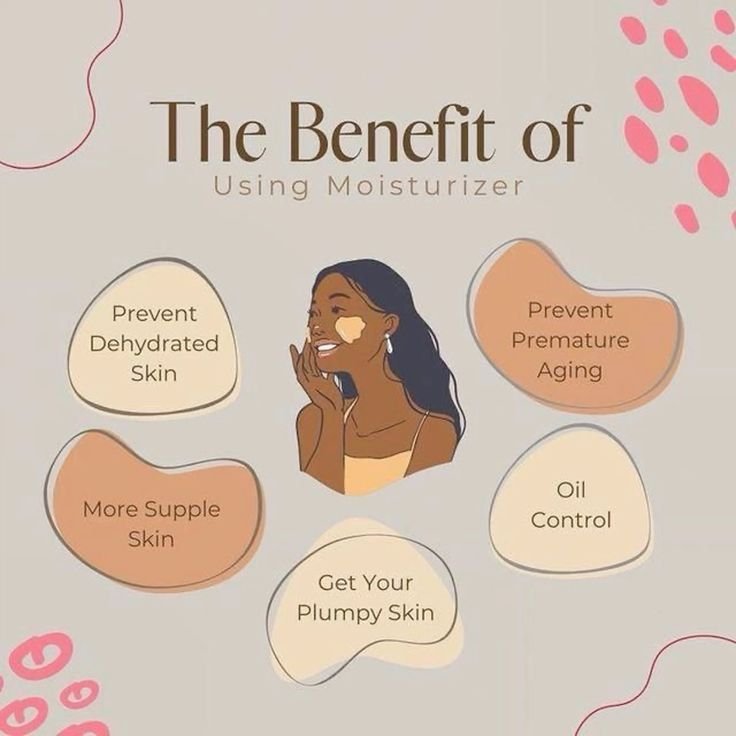
1. Moisturiser Helps Keep Skin Hydrated
One of the main reasons moisturiser is important is skin hydration.
Ingredients such as glycerin and hyaluronic acid are humectannts that help attract and retain water. Emollients help soften the skin, while occlusive ingredients can help reduce moisture loss.
| Ingredient Type | Examples | Main Role |
|---|---|---|
| Humectants | Glycerin, hyaluronic acid | Attract and retain water |
| Emollients | Squalane, shea butter | Smooth and soften skin |
| Occlusives | Petrolatum, certain oils/waxes | Help reduce water loss |
FAQ: What is the difference between hydration and moisturisation?
Hydration generally refers to the water content of the skin, while moisturisation refers more broadly to products and ingredients that hydrate, soften and help reduce moisture loss.
2. Moisturiser Supports the Skin Barrier
The skin barrier is the outermost protective layer of the skin. It helps limit water loss and provides protection against external environmental factors.
When the skin barrier is not adequately supported, skin may feel:
- Dry
- Tight
- Rough
- Uncomfortable
- Easily irritated
Using an appropriate moisturiser can help support the skin’s moisture barrier.
FAQ: Can moisturiser help the skin barrier?
Yes. Appropriately formulated moisturisers can support the skin barrier and help reduce moisture loss. Ingredients such as ceramides are commonly included in barrier-supporting moisturisers.
3. Moisturiser Helps Reduce Dryness
Dry skin can lose moisture more easily, which may result in a rough, flaky or tight-feeling complexion.
A moisturiser helps by providing hydration while ingredients such as emollients and occlusives help improve softness and reduce moisture loss.
| Dry-Skin Concern | Helpful Moisturiser Feature |
|---|---|
| Tightness | Humectants |
| Flakiness | Rich moisturising ingredients |
| Rough texture | Emollients |
| Moisture loss | Occlusive ingredients |
| Barrier support | Ceramides and other barrier-supporting ingredients |
FAQ: Which moisturiser is best for dry skin?
Dry skin generally benefits from a rich cream or nourishing moisturiser containing ingredients such as ceramides, glycerin, hyaluronic acid, shea butter or other moisturising ingredients.
4. Oily Also Needs Moisturiser
One common skincare misconception is that oily skin does not need moisturiser.
That’s not necessarily true.
Oily skin can still lack adequate water, so completely skipping moisturiser may not be the best approach. Instead, choose a lightweight formulation.
| Oily Skin Need | Suitable Choice |
|---|---|
| Lightweight hydration | Gel moisturiser |
| Non-greasy feel | Water-based lotion |
| Breakout-prone skin | Non-comedogenic formula |
| Everyday hydration | Lightweight gel-cream |
FAQ: Can oily skin use moisturiser?
Yes. Oily skin can benefit from moisturiser. A lightweight gel, lotion or non-comedogenic formula can provide hydration without the heavy feeling associated with richer creams.
FAQ: Can moisturiser make oily skin more oily?
A heavy or unsuitable moisturiser may feel greasy on oily skin. Choosing a lightweight gel or lotion can provide hydration with a less heavy finish.
5. Moisturiser Helps Keep Skin Soft and Smooth
Dryness can make the surface of the skin feel rough. Emollient ingredients in moisturisers help smooth and soften the skin, making it feel more comfortable.
Simple Fact
Hydration + emollients = softer-feeling skin.
This is particularly useful when skin feels rough or dry after cleansing.6. Moisturiser Can Help Maintain Skin Comfort After Cleansing
Cleansing removes dirt, excess oil, sunscreen and other substances from the skin. Depending on the cleanser and individual skin type, cleansing can sometimes leave skin feeling tight or dry.
Applying moisturiser after cleansing helps provide hydration and maintain skin comfort.
Simple Skincare Routine
Cleanser → Serum/Treatment → Moisturiser → Sunscreen
For a simple evening routine:
Cleanser → Moisturiser
FAQ: Is moisturiser necessary after face wash?
For many people, yes, moisturising after cleansing is a useful skincare step, particularly if the skin feels dry or tight after washing.
7. Moisturiser Helps Create a Balanced Skincare Routine
A healthy skincare routine isn’t only about active ingredients. Hydration and skin-barrier support are foundational.
| Skincare Step | Main Purpose |
|---|---|
| Cleanser | Removes dirt, oil and impurities |
| Serum | Targets specific skincare concerns |
| Moisturiser | Hydrates and supports the skin barrier |
| Sunscreen | Helps protect skin from UV radiation |
FAQ: Can moisturiser replace sunscreen?
No. Moisturiser and sunscreen have different purposes. Moisturiser helps with hydration and moisture retention, while sunscreen is specifically designed to provide UV protection.
Which Skin Types Need Moisturiser?
Almost every skin type can benefit from moisturisation. The key is selecting the right texture, ingredients and formulation.
| Skin Type | Ideal Texture | Main Focus |
|---|---|---|
| Dry Skin | Rich cream | Hydration + moisture retention |
| Oily Skin | Gel / lightweight lotion | Lightweight hydration |
| Combination Skin | Gel-cream | Balanced hydration |
| Normal Skin | Lotion / cream | Maintaining hydration |
| Sensitive Skin | Gentle cream / gel-cream | Barrier support |
| Acne-Prone Skin | Lightweight gel/lotion | Hydration without heavy feel |
FAQ: How do I choose the best moisturiser for my type?
Start by identifying how your skin behaves:
- Dry and flaky → choose a richer cream.
- Oily and shiny → choose a lightweight gel.
- Oily T-zone + dry cheeks → choose a balanced gel-cream.
- Easily irritated → consider a simple, fragrance-free formula.
- Breakout-prone → consider a lightweight, non-comedogenic moisturiser.
What Ingredients Should You Look for in a Moisturiser?
Understanding moisturising ingredients makes it easier to select a suitable product.
| Ingredient | Type | Why It Is Used |
|---|---|---|
| Hyaluronic Acid | Humectant | Helps attract and retain water |
| Glycerin | Humectant | Supports skin hydration |
| Ceramides | Barrier-supporting lipid | Helps support the skin barrier |
| Squalane | Emollient | Helps soften and smooth skin |
| Shea Butter | Emollient | Provides richer moisturisation |
| Petrolatum | Occlusive | Helps reduce moisture loss |
| Colloidal Oatmeal | Soothing/barrier-supporting | Commonly used in products for dry or sensitive skin |
FAQ: Which moisturising ingredient is best?
There is no single “best” moisturising ingredient for everyone. Glycerin and hyaluronic acid are commonly used for hydration, while ceramides can support the skin barrier and richer emollient or occlusive ingredients may be useful for dry skin.
Moisturiser vs Hydrating Serum
Moisturiser and hydrating serum are not necessarily competing products. They can have different roles within a skincare routine.
| Product | Primary Role |
|---|---|
| Hydrating Serum | Provides lightweight hydration and targeted ingredients |
| Moisturiser | Hydrates, softens and helps reduce moisture loss |
| Face Oil | Primarily provides emollient/occlusive benefits depending on the oil |
| Sunscreen | Provides UV protection |
Easy Way to Remember
Serum = targeted hydration
Moisturiser = hydration + softness + moisture retention
How Often Should You Use Moisturiser?
Moisturiser can generally be used daily, with the frequency depending on your skin type and the product.
| Time | Basic Routine |
|---|---|
| Morning | Cleanser → Moisturiser → Sunscreen |
| Evening | Cleanser → Moisturiser |
| Dry skin | May require more frequent moisturisation |
| Oily skin | Usually benefits from lightweight daily hydration |
FAQ: Can moisturiser be used every day?
Yes. Moisturiser can be incorporated into both morning and evening skincare routines according to your skin’s needs and the product’s directions.
Moisturiser Facts at a Glance
| Question | Quick Answer |
|---|---|
| Does oily skin need moisturiser? | Yes |
| Does dry skin need richer moisturisation? | Generally, yes |
| Can moisturiser support the skin barrier? | Yes |
| Can moisturiser improve skin softness? | Yes |
| Is one moisturiser perfect for everyone? | No |
| Does moisturiser texture matter? | Yes |
| Can acne-prone skin use moisturiser? | Yes |
| Should moisturiser replace sunscreen? | No |
| Can moisturiser be used daily? | Yes |
Frequently Asked Questions About Moisturiser
What happens if you don’t moisturise your skin?
Skipping moisturiser can leave some skin types feeling dry, tight or rough. Regular moisturisation can help maintain hydration and support the skin barrier.
Can moisturiser help acne-prone skin?
Yes. Acne-prone skin can still require hydration. A lightweight, non-comedogenic moisturiser can be a suitable option, particularly when acne treatments contribute to dryness.
Which moisturiser is best for oily?
A lightweight gel or lotion is generally a suitable option for oily skin. Hydrating ingredients such as glycerin and hyaluronic acid can provide hydration without requiring a heavy cream texture.
Which moisturiser is best for sensitive skin?
Sensitive skin generally benefits from a simple, gentle and fragrance-free moisturiser. Ingredients such as ceramides and colloidal oatmeal are commonly found in products designed for sensitive or dry skin.
Is moisturiser good for combination skin?
Yes. Combination skin can benefit from a lightweight gel-cream that hydrates dry areas without feeling excessively heavy on oily areas.
Can I use moisturiser before makeup?
Yes. A suitable lightweight moisturiser can be applied before makeup. Allowing the moisturiser to absorb before applying makeup can help create a more comfortable base.
When should I apply moisturiser?
Moisturiser is generally applied after cleansing and serums/treatments.
How long does moisturiser take to work?
You may notice an immediate improvement in how soft and comfortable the skin feels after application. Longer-term results depend on the formulation, consistency of use and your individual skin needs.
Final Takeaway: Why Is Moisturiser Important?
Moisturiser is important because it helps hydrate skin, reduce moisture loss, support the skin barrier and maintain a soft, comfortable skin texture. The best moisturiser isn’t necessarily the most expensive or popular product—it is the one that matches your skin type, texture preference and skincare needs.
For Diva Collection, this creates a strong topical connection between skin type → hydration → moisturiser → ingredients → skincare routine, helping the content address both informational searches such as “why is moisturiser important?” and commercial searches such as “best moisturiser for my skin type.”
AEO/GEO One-Line Answer
Moisturiser is important for every skin type because it helps maintain hydration, reduce moisture loss and support the skin barrier; dry skin generally benefits from richer creams, while oily skin often prefers lightweight gels or lotions.