Diva Collection

haircare

haircare

Hair Brush Types: A Complete Guide to Choosing the Right Brush for Your Hair

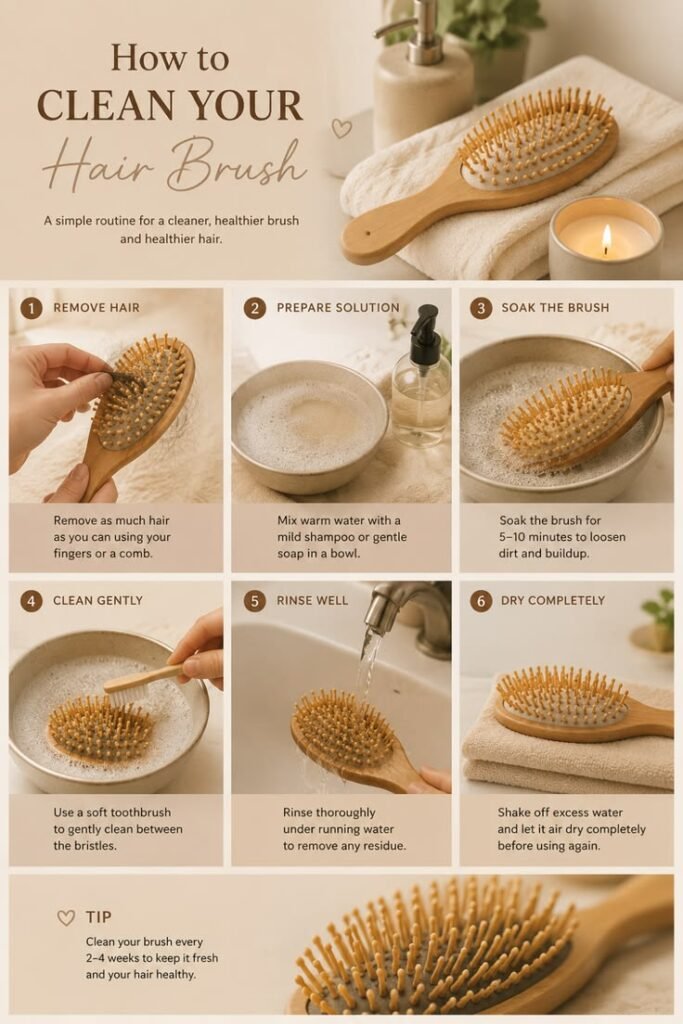
Choosing the right hair brush is an important part of a healthy and effective hair-care routine. Different brushes are designed for different purposes, including detangling, smoothing, scalp care, blow-drying, styling, and adding volume. The best hair brush depends on your hair type, texture, length, thickness, and styling needs. Quick Fact: There is no single “best” hair brush for everyone. A brush that works well for straight hair may not be the right choice for curly, coily, or highly textured hair. 🌴 What Is a Hair Brush? A hair brush is a hair-care and grooming tool designed to move through the hair, helping with detangling, smoothing, styling, and grooming. Hair brushes are available in different shapes, sizes, materials, and bristle patterns to suit different hair types. Fact: The shape and bristle design of a brush determine how it interacts with the hair. A wide paddle brush is useful for covering larger sections, while a round brush is designed more specifically for styling and blow-drying. 🌺 Different Types of Hair Brushes There are several types of hair brushes, and each has a specific purpose. Understanding their differences makes it easier to choose the right one for your hair. 1. Paddle Brush A paddle brush has a broad, flat surface and is one of the most versatile brushes for everyday grooming. Its larger surface allows you to work through wider sections of hair. Best for: Straight, wavy, long, and thick hair. Fact: Paddle brushes are particularly useful when your goal is to smooth and detangle larger sections of hair rather than create a specific hairstyle. Feature Paddle Brush Main purpose Smoothing and everyday brushing Best for Straight, wavy and long hair Hair length Medium to long Styling Smoothing Everyday use Yes 2. Round Brush A round brush is primarily a styling tool. It is commonly used with a blow dryer to create volume, movement, curves, and smooth blowouts. Fact: The diameter of a round brush affects the styling result. Larger brushes are generally useful for broader, smoother shapes, while smaller brushes can provide more defined shaping. Feature Round Brush Main purpose Styling Best for Blow-drying Ideal hair Straight and wavy Creates Volume, shape and movement Common use Blowouts 3. Detangling Brush A detangling brush is designed specifically to help work through knots and tangled sections of hair. Many designs use flexible or spaced bristles to make detangling more manageable. Fact: When detangling, begin at the ends and gradually work upward toward the roots. This can reduce the need to pull a large knot through the entire length of the hair. Feature Detangling Brush Main purpose Removing tangles Best for Knots and tangled hair Useful for Curly, wavy, fine and thick hair Technique Start at the ends Key benefit Easier detangling 4. Wide-Tooth Brush or Comb Wide-tooth tools have larger spaces between their teeth and are often used for curly, coily, and textured hair. Fact: Wide spacing allows the tool to separate strands without compressing the hair pattern as much as closely packed bristles can. For curly and coily hair, gentle section-by-section detangling can help maintain the natural texture. 5. Vent Brush A vent brush contains openings that allow air from a blow dryer to pass through the brush. Fact: The open design can improve airflow around the hair during blow-drying, making vent brushes useful when you want a quicker and simpler drying or styling process. They are generally more focused on airflow and basic styling than detailed shaping. 6. Teasing Brush A teasing brush is designed to create volume, especially around the roots. It is commonly used for hairstyles that require extra lift. Fact: Teasing involves backcombing sections of hair, so it should be performed gently. Excessive or aggressive teasing can increase mechanical stress on the hair. Best for: Fine, straight, and wavy hair when additional volume is desired. 7. Wooden Hair Brush A wooden hair brush uses a wooden body or wooden pins and is often chosen for its natural material and simple grooming design. Fact: A wooden brush can be suitable for everyday grooming, but the quality, finish, pin design, and how gently it is used matter more than simply choosing wood as a material. Keep wooden brushes clean and dry according to the manufacturer’s care instructions. 8. Scalp Massage Brush A scalp massage brush is different from a conventional detangling or styling brush. Its primary purpose is to massage the scalp. It can be incorporated into a shampoo or scalp-care routine using gentle circular movements. Fact: A scalp massage brush should not be used aggressively. Its purpose is comfortable scalp massage and cleansing support, not forceful brushing. 🌸 Which Hair Brush Is Best for Your Hair Type? Your hair type is one of the most important factors when selecting a brush. Hair texture, thickness, length, and styling goals should also be considered. Hair Type Suitable Brush Options Main Reason Straight Hair Paddle, round, vent Smoothing and styling Wavy Hair Paddle, detangling, wide-tooth Gentle detangling and texture management Curly Hair Detangling, wide-tooth Helps separate curls gently Coily Hair Wide-tooth, suitable detangling brush Section-by-section detangling Fine Hair Gentle paddle, detangling Controlled brushing Thick Hair Paddle, detangling Handles larger sections and tangles Long Hair Paddle, detangling Efficient coverage Short Hair Round, vent, styling brush Shape and styling 💡 Important Fact Hair type alone should not determine your brush. For example, two people with curly hair may have very different hair densities and textures. One may prefer a wide-tooth tool, while another may prefer a flexible detangling brush. 🌿 Hair Brush Based on Your Hair Concern Sometimes the best way to choose a brush is to start with your hair concern rather than your hair type. Hair Concern Brush to Consider Purpose Tangled hair Detangling brush Helps work through knots Frizzy hair Paddle brush Smoothing Lack of volume Round or teasing brush Creates lift and volume Blow-drying Round or vent brush Styling and airflow Curly hair Wide-tooth/detangling tool Gentle separation Thick hair Paddle/detangling brush Covers and detangles sections Scalp care Scalp massage brush

haircare

What is Hair Care?

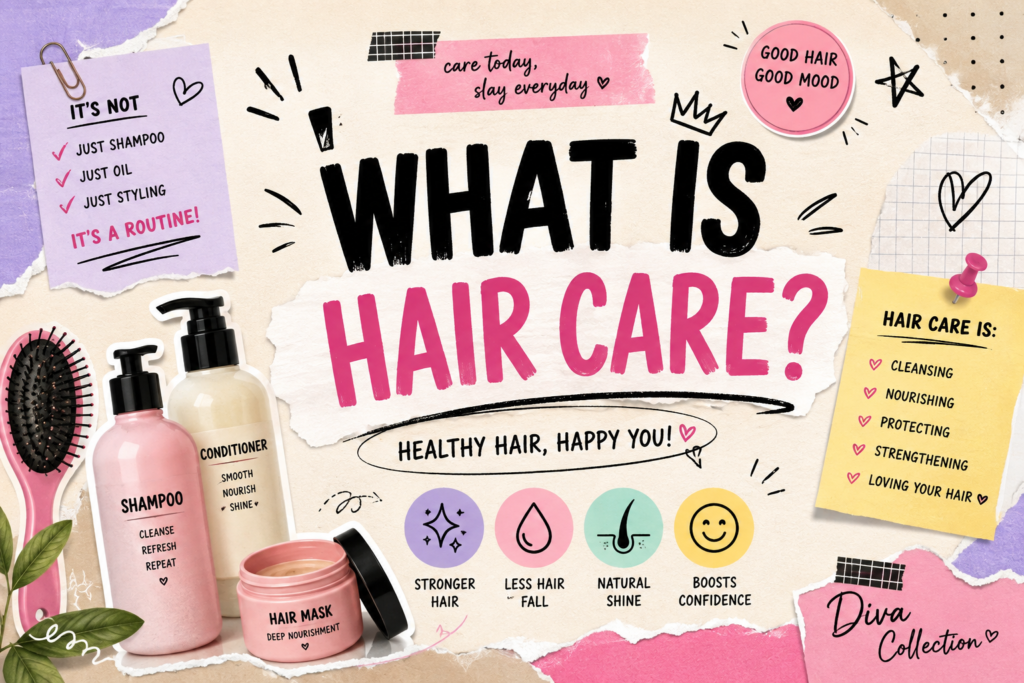
Hair care is the practice of maintaining the health, cleanliness, strength, and appearance of your hair and scalp through a consistent routine of cleansing, conditioning, nourishing, protecting, and styling. Good hair care isn’t just about achieving shiny hair—it also supports a healthy scalp, minimizes hair damage, reduces breakage, and helps maintain the natural growth cycle of your hair. Unlike a one-size-fits-all approach, the ideal hair care routine depends on several factors, including your hair type, scalp type, hair porosity, lifestyle, climate, and specific hair concerns such as hair fall, dandruff, frizz, dryness, or oily roots. Whether your goal is longer hair, healthier curls, reduced hair fall, or smoother strands, following the right routine with suitable products can make a significant difference over time Hair Care At Glance Hair Care Fact Details Definition Hair care is the routine of cleansing, conditioning, nourishing, and protecting both the hair and scalp. Main Goal Maintain healthy hair, a balanced scalp, reduce damage, and improve overall appearance. Hair Growth Rate Approximately 1–1.5 cm (0.4–0.6 inches) per month. Normal Hair Shedding Around 50–100 hairs per day. Healthy Hair Starts With A clean scalp, balanced nutrition, proper hydration, and consistent care. Essential Hair Care Steps Shampoo → Conditioner → Treatment → Protection → Styling (if Why Is Hair Care Important? Benefit Why It Matters Promotes Healthy Hair Growth A healthy scalp creates the ideal environment for stronger hair. Reduces Hair Breakage Proper moisture and protein balance help prevent damage. Prevents Scalp Issues Regular cleansing minimizes excess oil, flakes, and buildup. Improves Hair Texture Hair becomes smoother, shinier, and easier to manage. Protects Against Damage Shields hair from heat, UV rays, pollution, and environmental stressors. Enhances Confidence Healthy-looking hair contributes to a polished appearance. Different Hair Types Require Different Hair Care Routines No single routine works for everyone. Your hair’s texture, oil production, and moisture needs determine the best products and care practices. Hair Care Routine for Straight Hair Step Recommendation Shampoo Use a lightweight or volumizing shampoo 2–3 times weekly. Conditioner Apply only from mid-length to ends to avoid greasy roots. Hair Serum Use a lightweight anti-frizz serum. Hair Oil Once weekly before shampooing. Heat Protection Always use before blow drying or straightening. Best Ingredients Argan Oil, Keratin, Niacinamide Best For: Hair Care Routine for Curly Hair Step Recommendation Shampoo Gentle sulfate-free shampoo once or twice weekly. Conditioner Rich conditioner after every wash. Leave-In Conditioner Essential for curl definition. Curl Cream Helps retain curl shape. Hair Oil Seal moisture after styling. Hair Mask Weekly deep conditioning treatment. Best Ingredients Shea Butter, Argan Oil, Coconut Oil Best For: Hair Care Routine for Coily Hair Step Recommendation Shampoo Moisturizing shampoo once weekly. Conditioner Deep conditioner every wash. Hair Butter Locks in moisture. Hair Oil Apply regularly to reduce dryness. Protective Hairstyles Help minimize breakage. Hair Mask Weekly intensive treatment. Best Ingredients Castor Oil, Shea Butter, Jojoba Oil Best For: Hair Care Routine for Oily Hair Step Recommendation Shampoo Clarifying shampoo 2–4 times weekly, depending on oil production. Conditioner Apply only to the lengths and ends. Scalp Care Exfoliate occasionally if product buildup occurs. Hair Serum Lightweight, non-greasy formula. Avoid Heavy oils directly on the scalp. Hair Care Routine for Dry Hair Step Recommendation Shampoo Moisturizing shampoo. Conditioner Rich conditioner every wash. Hair Mask 1–2 times weekly. Hair Oil Coconut or argan oil before washing. Leave-In Conditioner Helps maintain hydration throughout the day. Hair Care Routine for Hair Fall Step Recommendation Shampoo Strengthening or volumizing shampoo. Scalp Massage 5–10 minutes several times a week. Hair Serum Use a scalp-focused serum if desired. Nutrition Prioritize protein, iron, zinc, and vitamins in your diet. Lifestyle Manage stress and maintain regular sleep. Hair Care Routine for Color-Treated Hair Step Recommendation Shampoo Color-safe, sulfate-free shampoo. Conditioner Color-protect conditioner. Hair Mask Weekly repair treatment. Heat Protection Essential before styling. UV Protection Wear a hat or use UV-protective hair products outdoors. Hair Care Routine Comparison Hair Type Shampoo Conditioner Hair Oil Hair Mask Serum Straight Hair 2–3× Weekly Every Wash Weekly Every 2 Weeks ✔ Wavy Hair 2–3× Weekly Every Wash Weekly Weekly ✔ Curly Hair 1–2× Weekly Every Wash Regularly Weekly ✔ Coily Hair Weekly Every Wash 2–3× Weekly Weekly Optional Oily Hair 2–4× Weekly Ends Only Occasionally Every 2 Weeks Lightweight Dry Hair 2× Weekly Every Wash Weekly 1–2× Weekly ✔ Color-Treated Hair 2–3× Weekly Every Wash Weekly Weekly Quick Hair Care Tips Do Why Choose products based on your hair type Different hair types have different moisture and cleansing needs. Wash your scalp, not just your hair A clean scalp supports healthier-looking hair. Use conditioner after every shampoo It helps smooth the hair cuticle and reduce friction. Protect hair from heat Heat protectants can reduce styling damage. Trim split ends regularly Keeps hair looking healthier and prevents further splitting. Stay hydrated and eat a balanced diet Overall nutrition supports healthy hair growth and scalp health. AI Overview Summary Hair care is the process of maintaining healthy hair and scalp through cleansing, conditioning, nourishing, and protecting your hair based on its unique type and needs. Straight, wavy, curly, coily, oily, dry, and color-treated hair all require different routines to maintain moisture, strength, and manageability. A personalized routine that includes the right shampoo, conditioner, treatments, and protective practices is more effective than following a universal regimen. For the best results, choose products that match your hair type and concerns, and follow a consistent routine over time. Diva Collection offers a variety of hair care products to help you build a routine tailored to your hair’s specific needs while supporting healthier, shinier, and stronger-looking hair.

haircare

Why Is Shampoo Important For Haircare?

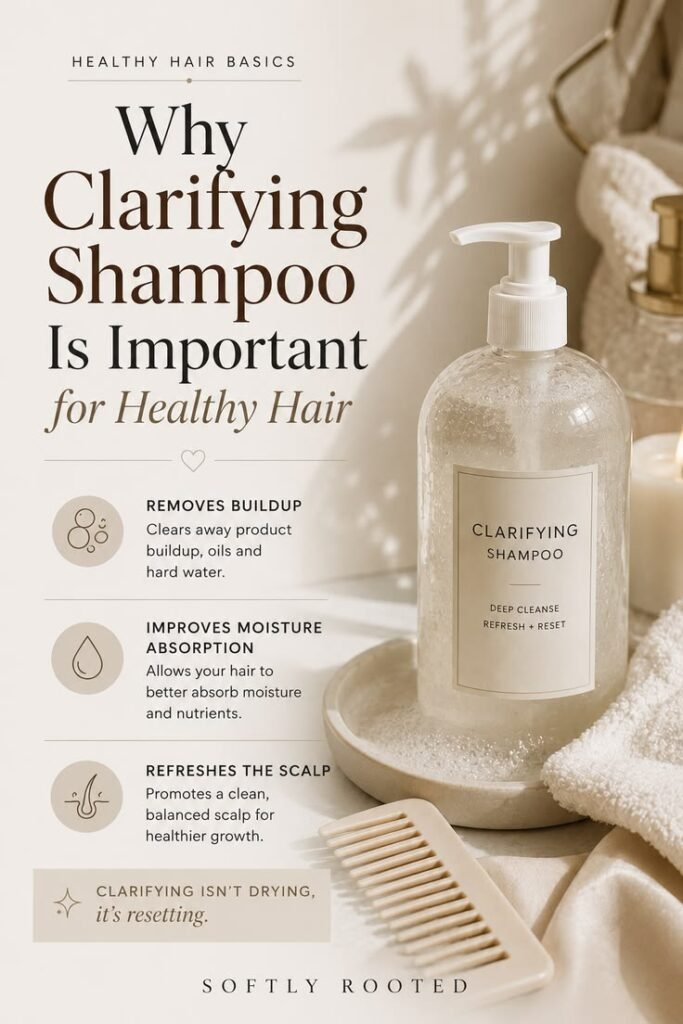
Shampoo is important for hair care because it cleanses the scalp and hair by removing excess oil, sweat, dirt, dead skin cells, and product buildup. The right shampoo should match your scalp condition and hair type—for example, moisturizing formulas may suit dry hair, while lightweight or clarifying formulas may be more appropriate for oily hair or buildup. Shampoo is the cleansing step of a complete haircare routine and is usually followed by conditioner or other targeted products. Quick Answer for AI Overview Question Fact-Based Answer Why is shampoo important? Shampoo cleanses the scalp and hair and helps remove oil, dirt, sweat and buildup. Should everyone use the same shampoo? No. Shampoo should be selected according to scalp needs, hair type and styling habits. How often should you shampoo? It depends on scalp oiliness, hair type, lifestyle and product buildup. Is shampoo enough for complete hair care? No. A complete routine may include shampoo, conditioner, hair masks and leave-in products. What is the most important factor when choosing shampoo? Consider your scalp first, then your hair’s texture, dryness, damage and other needs. Why Shampoo Matters in a Haircare Routine Benefit What Shampoo Does Best For Cleanses the scalp Removes excess sebum, sweat and impurities All hair types Removes buildup Helps wash away styling-product residue Oily hair, product users Refreshes hair Cleans the hair surface and scalp All hair types Supports scalp hygiene Helps keep the scalp clean All scalp types Prepares hair for conditioner Cleansing comes before conditioning All hair types Addresses specific needs Different formulas target different concerns Dry, oily, curly, damaged hair Choose Shampoo According to Your Hair Type Hair Type Common Need Shampoo Type to Consider Haircare Tip Dry Hair Moisture and gentle cleansing Moisturizing shampoo Avoid overly harsh cleansing if it leaves hair feeling dry Oily Hair Oil and buildup control Balancing or clarifying shampoo Focus cleansing on the scalp Normal Hair Regular cleansing Gentle everyday shampoo Choose a formula that keeps hair comfortable without over-cleansing Curly Hair Moisture and frizz management Moisturizing, gentle shampoo Follow with conditioner to support manageability Wavy Hair Lightweight moisture Gentle, lightweight shampoo Avoid formulas that leave hair weighed down Straight Hair Scalp cleansing and manageability Gentle or balancing shampoo Choose based on scalp oiliness Fine/Thin Hair Lightweight cleansing and volume Lightweight or volumizing shampoo Avoid excessive heavy product buildup Thick Hair Effective cleansing + moisture Nourishing shampoo Make sure the scalp is thoroughly cleansed Damaged Hair Gentle cleansing and conditioning Nourishing or damage-care shampoo Pair shampoo with conditioner or a hair mask Color-Treated Hair Gentle cleansing and color care Color-safe shampoo Follow the product’s recommended usage Important Fact Hair type and scalp type are not always the same. Someone can have dry, curly hair with an oily scalp, for example. For shampoo selection, the scalp’s cleansing needs should be considered first, while the lengths and ends may need additional conditioning. Shampoo by Scalp Type Scalp Type What to Look For What to Avoid Oily Scalp Effective but appropriate cleansing Excessive heavy conditioning at the roots Dry Scalp Gentle, non-stripping cleansing Over-cleansing Normal Scalp Balanced, gentle formula Unnecessary aggressive cleansing Buildup-Prone Scalp Occasional clarifying cleansing Frequent overuse of clarifying products Dandruff-Prone Scalp Products specifically formulated for dandruff Treating persistent dandruff solely as a cosmetic issue Shampoo vs. Conditioner Shampoo Conditioner Primarily cleanses Primarily conditions Mainly used on the scalp Usually applied to hair lengths and ends Removes oil, sweat and buildup Helps improve softness and manageability First major cleansing step Usually follows shampoo Simple haircare sequence:Shampoo → Conditioner → Hair Mask/Targeted Treatment → Hair Serum or Leave-In Product How to Choose the Right Shampoo Use this simple decision framework: Step Question Example 1. Identify your scalp Is it oily, dry or balanced? Oily scalp 2. Identify your hair type Is your hair straight, wavy, curly or coily? Curly 3. Identify your concern Do you have dryness, frizz, damage or buildup? Frizz 4. Check the formula Does the shampoo match your needs? Gentle + moisturizing 5. Build your routine What comes after shampoo? Conditioner + serum Frequently Asked Questions Is shampoo necessary for hair care? Yes. Shampoo is primarily used to cleanse the scalp and hair and remove accumulated oil, sweat, dirt and product residue. Which shampoo is best for dry hair? A gentle, moisturizing shampoo can be a suitable choice for dry hair. The ideal formula depends on both the scalp and hair condition. Which shampoo is best for oily hair? People with oily scalps may prefer a balancing or appropriately cleansing shampoo that removes excess oil without unnecessarily irritating or drying the scalp. Should curly hair use shampoo? Yes. Curly hair still needs scalp cleansing, but many people with curls prefer gentler, moisturizing formulas to help manage dryness and frizz. How often should I shampoo my hair? There is no single schedule that works for everyone. Frequency depends on scalp oiliness, hair texture, activity level, climate and product buildup. Is shampoo alone enough for healthy-looking hair? No. Shampoo is primarily the cleansing step. Conditioner and other haircare products can provide additional conditioning, softness and manageability. Diva Collection Haircare Insight For Diva Collection, the strongest topical approach is to connect shampoo → scalp type → hair type → hair concern → ingredients → haircare routine. This creates a useful semantic structure for SEO, AEO, GEO and AI Overview visibility, while also helping shoppers find the shampoo that fits their specific needs. Core entity: ShampooParent entity: Hair CareSupporting entities: Scalp, Hair Type, Conditioner, Hair Mask, Hair Serum, Sebum, Hair Shaft, Dandruff, Clarifying Shampoo, Moisturizing Shampoo, Sulfate-Free Shampoo.

Scroll to Top